Cricket Basics and Fundamentals:
A Comprehensive Guide for Beginners
Learn the fundamentals of cricket with our comprehensive guide tailored for beginners looking to master the game and enhance their skills on the field.


Introduction to Cricket
Cricket is not merely a sport; it is a global phenomenon that transcends cultural and geographical boundaries. Originating in England during the 16th century, cricket has evolved significantly from its rudimentary beginnings. Initially played by shepherds and farmers in the rural areas of England, it gradually developed into a more structured game by the 18th century, culminating in the formulation of standardized rules. The establishment of the Marylebone Cricket Club (MCC) in 1787 marked a pivotal moment in cricket history, as it provided official regulations for the game.
As the British Empire expanded, so too did cricket, introducing the sport to various countries across continents, from Australia to the Indian subcontinent. By the 19th century, cricket had emerged as a competitive sport, with international matches being held, reflecting its newfound global status. Milestones such as the first-ever Test match played in 1877 between Australia and England not only popularized cricket but also laid the foundation for modern-day international competitions.
Today, cricket is governed by the International Cricket Council (ICC) and is played in myriad formats, including Test, One Day International (ODI), and Twenty20 (T20) matches. It enjoys immense popularity, especially in countries like India, Pakistan, Australia, and England, where it is celebrated almost as a religion. The sport fosters community and national pride, with major tournaments such as the Cricket World Cup drawing millions of viewers and fanfare worldwide.
The significance of cricket extends beyond the game itself, as it often serves as a medium for bringing together diverse cultures and communities. Whether played in local parks or at grand international stadiums, cricket resonates with millions, offering a unifying experience that highlights its importance on the global stage.
Understanding the Game's Structure
Cricket is a sport characterized by its unique structure and various formats, each offering a distinct playing experience. The three primary formats of cricket are Test matches, One Day Internationals (ODIs), and Twenty20 (T20) matches. Test cricket is regarded as the traditional format, played over five days, where each team has two innings to score runs. This extended format allows for a deeper strategy, as teams must navigate various pitch conditions and capitalize on each other's weaknesses throughout the match.
On the other hand, ODIs condense the action into a single day, with each team facing a set number of overs, typically 50. This format balances the strategic depth of Test match cricket with the excitement of limited overs. The aim is to score more runs than the opposing team within the allotted overs. The ODI format features a blend of patience and aggression, as players must adapt to different scenarios throughout the match.
Lastly, the T20 format compresses the game to a maximum of 20 overs per side, resulting in a highly dynamic and fast-paced experience. Each team has a limited time frame to score as many runs as possible, leading to high scores and thrilling finishes. The excitement of T20 cricket has garnered a significant following, making it a popular choice for both players and fans alike.
Throughout these formats, players assume specific roles that are vital to the success of the team. Batsmen aim to accumulate runs, while bowlers strive to restrict the opposing side’s scoring and dismiss players. Fielders play a crucial role in preventing boundaries and taking catches, further emphasizing teamwork in the game. Understanding the cricket match's structure, including innings and roles, is essential for any beginner looking to appreciate the intricacies of this beloved sport.
Essential Cricket Equipment
Cricket is a sport that requires specific equipment to ensure a safe and effective playing experience. As a beginner, understanding the essential gear needed for cricket is fundamental to your development in the game.
The most crucial piece of equipment is the cricket bat. Bats come in various shapes, weights, and sizes, and it’s essential to choose one that feels comfortable in your hands. Beginners should look for a lightweight bat made of durable wood, typically willow, as this material provides the right balance between weight and strength. When selecting a bat, ensure it aligns with your height and playing style, as this will enhance your ability to hit the ball effectively.
Another indispensable item is the cricket ball, which is usually made from cork and covered with leather. For practice and casual play, beginners can opt for a softer ball, often referred to as a tennis ball. However, when you progress to formal games, a standard hard ball should be used. Its design allows for better aerodynamics and playability.
Protective gear is also vital for safety during matches. This includes a helmet, pads for the legs, and gloves. The helmet should fit snugly and provide face protection when batting, while pads shield the knees and shins from fast deliveries. Gloves enhance grip and protect hands, thus adding an extra layer of security. Beginners must invest in high-quality protective equipment to minimize injury risk.
Lastly, appropriate clothing is essential. Typically, players wear light-colored clothing made from breathable fabrics to facilitate movement. Cricket-specific clothing often includes shirts, trousers, and shoes designed for performance.
Understanding this equipment will not only prepare you for playing cricket but also help you appreciate the nuances of the game. Choosing the right gear tailored to your needs will enhance your initial experiences on the field.
Basic Rules of Cricket
Cricket is a complex yet fascinating game, governed by a set of fundamental rules that dictate how it is played. At its core, the game involves two teams, each typically comprising eleven players, who engage in batting, bowling, and fielding, with the primary objective of scoring more runs than the opposing team.
Batting occurs when a team takes its turn to score runs. A pair of batsmen are on the field at any given time, with one facing the bowler and the other positioned at the opposite end of the pitch. Runs are scored by the batsmen running between the wickets after hitting the ball or by hitting the ball to the boundary, resulting in four runs if the ball touches the ground before reaching the boundary, and six runs if it crosses the boundary in the air without touching the ground.
Bowling is the act of delivering the ball to the batsman to attempt to dismiss them. Each bowler delivers a set number of legal deliveries, known as an "over," typically consisting of six valid balls. A bowler aims to achieve wickets, which occur when a batsman is dismissed through various methods, such as hitting the stumps with the ball or being caught out. A match can consist of a varying number of overs, depending on the format, such as Test matches, One Day Internationals, or T20 matches.
Fielding involves the remaining players on the team attempting to prevent runs from being scored by the batting team while attempting to take wickets. Effective fielding can significantly influence the outcome of a match. A variety of terms are used within cricket to describe different aspects of gameplay, such as "runs," which measure points scored, and "wickets," which indicate the number of batsmen dismissed. Understanding these basic rules and terminology is integral for anyone looking to grasp the fundamentals of cricket.
Key Skills and Techniques for Beginners
Cricket is a multifaceted sport that requires a range of skills to play effectively. For beginners, focusing on the fundamental techniques of batting, bowling, and fielding is essential for developing a well-rounded game. Each of these skills serves as the backbone of a player’s abilities, laying the groundwork for future progression in the sport.
Starting with batting, the primary objective is to score runs while defending the wicket. Beginners should focus on their stance, grip, and alignment. A balanced stance, where the feet are shoulder-width apart, allows for optimal movement. The grip should be firm but relaxed, ensuring control over the bat. Practicing various shots—such as the forward defensive, square cut, and pull shot—through drills, like using a tennis ball against a wall, can greatly enhance hand-eye coordination and timing.
Bowling is another critical skill that involves delivering the ball towards the batsman. A good bowling technique incorporates a solid run-up, a coordinated delivery action, and effective follow-through. Beginners can practice focusing on seam and spin by using a straight arm and releasing the ball properly. Drills such as target bowling can help in developing accuracy and consistency, which are vital in effectively challenging the batsman.
Fielding is equally important in cricket, as it involves stopping runs and catching. Beginners should work on their throwing, catching, and ground fielding techniques. Drills like practicing catching from different angles and distances, coupled with improving reaction times, can significantly enhance fielding skills. Additionally, players should concentrate on developing agility and speed, which are crucial when chasing the ball.
By emphasizing these key skills and practicing through structured drills, beginners can establish a strong foundation in cricket. This initial investment in skill development will pay dividends as players advance in their abilities and understanding of the game.
Understanding Cricket Strategy
Cricket is not merely a game of physical skill; it is also a complex strategic endeavor that requires keen mental acuity. The effectiveness of a cricket team often hinges on its strategic approach, which encompasses team composition, field placement, and batting order. Each of these components is critical in formulating a game plan tailored to maximize performance against opponents.
Team composition involves selecting players who possess complementary skills. For instance, a balanced team typically includes a mix of aggressive batsmen, dependable all-rounders, and specialist bowlers. In formats such as Test cricket, where matches span five days, teams may prioritize bowler stamina to exploit batting weaknesses over time. Conversely, in limited-overs formats like One Day Internationals (ODIs) and Twenty20 (T20) matches, the inclusion of powerful hitters can enable aggressive scoring strategies, as teams aim to make the most of their overs.
Field placement is another pivotal aspect of cricket strategy. Captains and their teams must consider the strengths and weaknesses of opposing batsmen while formulating their field settings. Strategic field placements can enhance the chances of taking wickets, containing runs, and ultimately securing victories. For example, placing fielders in catching positions for key bowlers can increase the likelihood of dismissals. Conversely, a defensive field arrangement might be employed to prevent runs during critical phases of the game.
Batting order also plays a significant role in a team’s strategic approach. Managers and captains often analyze individual players’ forms and capabilities to determine the optimal sequence for batting. In T20 matches, teams may utilize a power-hitter at the top of the order to set a volatile pace, while in Test matches, a more traditional approach may be favored to ensure stability and concentration during long innings.
Overall, comprehending the strategic nuances of cricket offers players and enthusiasts deeper insights into the sport, enriching their appreciation of its complexities.
Getting Involved: How to Start Playing Cricket
Embarking on a journey into the world of cricket can be both enjoyable and rewarding. The first step in getting involved is to identify local cricket clubs or leagues that cater to beginners. Many regions have recreational cricket clubs that welcome all skill levels, offering coaching sessions for newcomers. A simple online search or an inquiry at your local sports center can help you locate these resources.
Furthermore, schools are another excellent avenue to explore. Many educational institutions have after-school cricket programs or teams that encourage students to participate. These programs not only provide access to equipment and coaching but also create a supportive environment for developing basic skills. Joining a school cricket team can also foster a sense of camaraderie and teamwork, both essential elements of the sport.
Another effective way to start playing cricket is by finding practice partners. Reaching out to friends, family, or coworkers who have an interest in cricket can lead to informal practice sessions. This not only enhances your skills but also helps build a network of individuals who share the same enthusiasm for the game. Additionally, local online forums or social media groups dedicated to cricket can help connect players looking for practice partners.
For those eager to delve deeper into the sport, numerous resources are available for further learning. Books, instructional videos, and online courses offer valuable insights into the rules, techniques, and strategies of cricket. Websites dedicated to cricket provide articles and blogs filled with expert advice that can help beginners improve their overall game. Engaging with these resources can lead to a better understanding of cricket and enhance your playing experience.
In conclusion, getting started with cricket requires a proactive approach in seeking out clubs, leagues, and other participants. By leveraging these resources, aspiring players can take significant steps toward becoming immersed in this dynamic and delightful sport.
Cricket Field, Pitch & Fielding positions: A Tactical Guide
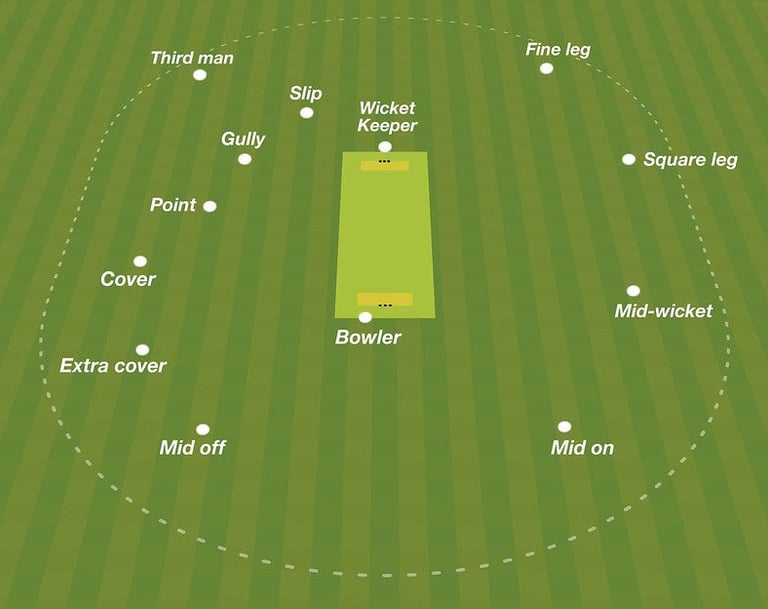
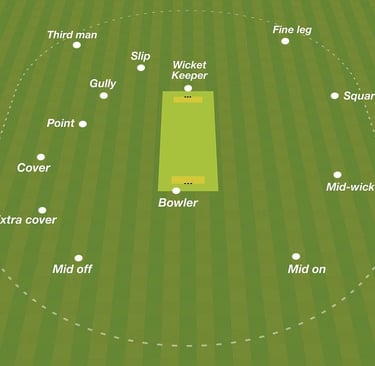
Cricket fielding positions are crucial for a team's defensive strategy, with each position serving a specific purpose based on the bowler's plan and the batsman's tendencies. Understanding various field placements, such as slip, gully, and point, allows captains to optimize their bowling attacks. Pitch dimensions, typically 22 yards long with a width of 10 feet, play a vital role in determining how the ball behaves after it is bowled. By analyzing pitch conditions and adjusting field placements accordingly, teams can significantly enhance their chances of dismissing batsmen. A well-thought-out fielding arrangement not only restricts runs but also creates opportunities for catching and stumping, making it an essential aspect of cricket strategy.
Importance of Fielder
In the thrilling world of cricket, batting and bowling often steal the spotlight, shaping the match's outcome with every run and wicket. However, the significance of fielding cannot be overlooked. It plays a crucial role in influencing the game's dynamics, even if it rarely receives the same recognition as its counterparts. Professional players exemplify the importance of fielding by dedicating immense effort to save runs and secure catches, demonstrating how critical these actions can be in shifting the momentum. Fielding positions also contribute strategically, as teams meticulously plan their placements to maximize efficiency and effectiveness. Ultimately, while batting and bowling may dominate discussions, it is the often-underappreciated art of fielding that can be the decisive factor in a match's result.